
Wimbledon finals are always memorable, but the 2025 showdown between Jannik Sinner and Carlos Alcaraz will go down as a true masterclass in tennis performance. For fans, players, and coaches alike, this match offered a blueprint in how to rise to the occasion, execute a game plan, and deliver under pressure. Let’s break down how Sinner’s approach turned a blockbuster final into a showcase of elite-level tennis.
Setting the Scene: Two Modern Greats Collide
The build-up to the final was electric. Carlos Alcaraz, the defending champion and world number one, had already cemented his reputation as a generational talent. His athleticism, creativity, and ability to thrive under pressure had made him a favourite with pundits and fans. Jannik Sinner, meanwhile, had been quietly building momentum. His precise groundstrokes, calm demeanour, and relentless work ethic had earned him respect throughout the tennis world.
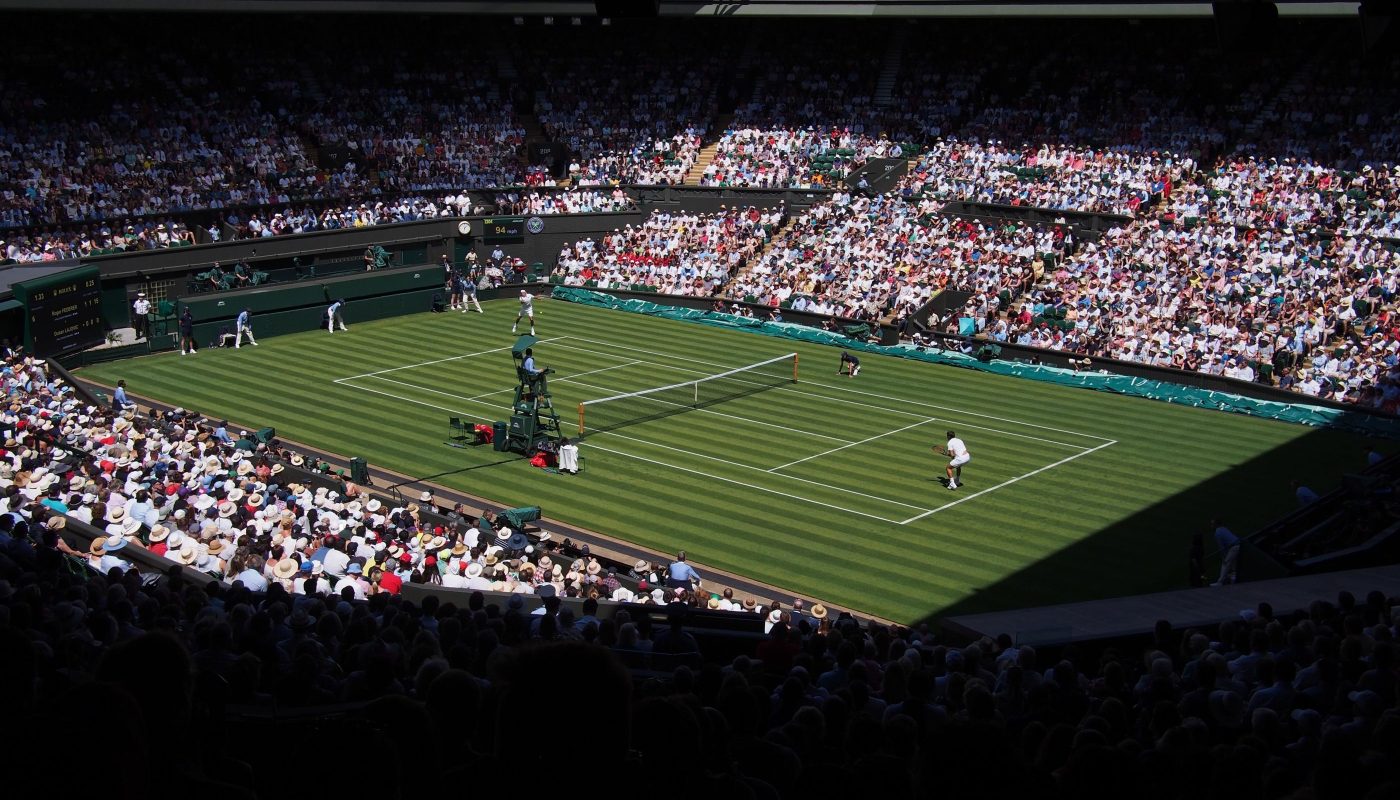
As the two young stars walked onto Centre Court, the tension was palpable. This was more than a match - it was a defining moment in the new era of men’s tennis.
Strategic Foundations: A Masterclass in Tennis Performance
From the opening game, Sinner’s intentions were clear. He wasn’t there to rally passively with Alcaraz. Instead, he brought a masterclass in tennis performance, built on three core strategic pillars:
Depth and Direction
Sinner targeted Alcaraz’s backhand relentlessly, using deep, flat shots to keep the Spaniard pinned behind the baseline. On grass, where low skids make attacking difficult, this tactic forced Alcaraz to defend more than he’d like.
Aggressive Returns
Sinner’s return game was a highlight. He stepped inside the baseline, taking Alcaraz’s second serve early and redirecting with pace. This constant pressure forced errors and set the tone for Sinner’s aggressive mindset.
Serve Variation
Sinner’s serve was both powerful and unpredictable. He mixed up wide serves, body serves, and the occasional kicker, ensuring Alcaraz could never settle into a rhythm on return.
Tactical Adaptability: Chess on Grass
Tennis at this level is as much mental chess as physical battle. Sinner’s tactical adjustments mid-match were a testament to his growing maturity. He built points with patience, refusing to go for broke too early. Instead, he moved Alcaraz from side to side, opening the court before striking with a flat backhand up the line or a heavy forehand into the open space.
One of the standout elements of this masterclass in tennis performance was Sinner’s willingness to finish points at the net. Against an opponent as quick as Alcaraz, this was a bold move. Yet Sinner’s volleys were crisp and well-timed, keeping Alcaraz guessing and out of his comfort zone.
Physicality: Going Toe to Toe with the Best
Alcaraz is renowned for his speed and stamina, but Sinner matched him stride for stride. His movement on grass was exceptional - sliding into wide balls, maintaining balance, and recovering instantly. Sinner’s serve consistently topped 130 mph, but it was his ability to chase down drop shots and defend in the corners that truly stood out.
This physical presence was another layer of Sinner’s masterclass in tennis performance. He refused to be bullied or worn down, instead setting the tempo and forcing Alcaraz to react.
The Mental Game: Calm Amid the Storm
Perhaps the most impressive aspect of Sinner’s performance was his composure. Wimbledon finals are high-pressure environments, and against a player who feeds off big moments like Alcaraz, it’s easy to get swept up. But Sinner’s body language was positive, his focus unwavering. He took his time between points, reset after errors, and never showed frustration.
This mental resilience was especially critical in key moments. Sinner saved break points with fearless serving and bold shot-making, trusting his process even as the stakes rose. In the biggest moments, he delivered - a hallmark of any true masterclass in tennis performance.
Turning Points: Where the Match Was Won
The match turned late in the second set. After dropping the opener 4-6, Sinner faced break points at 4-4. With a couple of clutch first serves and a gutsy winner, he held firm, then broke Alcaraz to take the set. From there, Sinner’s confidence soared. He broke early in both the third and fourth sets and never looked back.
Alcaraz, for all his brilliance, struggled to find answers as Sinner’s level rose. The Italian’s consistency, depth, and willingness to attack at the right moments kept Alcaraz pinned down and searching for solutions.
The Numbers Behind the Masterclass
Final Score: 4-6, 6-4, 6-4, 6-4 (Sinner)
Total Games Won: Sinner 22, Alcaraz 18
Aces: Both players served well, but Sinner had fewer double faults and a higher first-serve percentage.
Break Points: Sinner converted more break opportunities and saved crucial ones on his own serve.
Winners/Unforced Errors: Both hit plenty of winners, but Sinner kept his unforced errors lower, especially under pressure.
Short Rallies (0–4 shots): Sinner dominated, another key to his masterclass in tennis performance.
Elevate Your Mental Game with A Champion's Blueprint
As Sinner lifted the Wimbledon trophy, his understated celebration - a simple fist pump and a look to his box - spoke volumes. His victory wasn’t about one moment of magic, but a sustained, strategic, and mental masterclass in tennis performance. For coaches, players, and fans, this final is a blueprint: know your strengths, adapt to the moment, and stay mentally strong when it matters most.
For Sinner, this was not just a title, but a statement. For Alcaraz, a reminder that at the highest level, even the smallest margins count. And for the tennis world, a thrilling new chapter in the sport’s evolution.
So, how will you strengthen your mental resilience using a Champion's blueprint? If you’re ready to take your game to the next level, check out the Tennis MINDfit Performance Programme and start build the mental skills that set champions apart.
At the Tennis MINDfit Performance Programme, we specialise in helping tennis players master the mental side of the game. We teach players how to stay calm, confident, and focused when it matters most through tailored coaching. Whether you’re a junior player just starting or a seasoned competitor aiming for the next level, mental game coaching can help you elevate your performance and achieve your goals.
Are you Tennis Emotionally Intelligent? Emotional intelligence contributes to developing a more well-rounded athlete who is physically skilled and mentally resilient. This mental resilience enables you to effectively navigate the emotional and psychological challenges inherent in Tennis' demanding environment. Such athletes are better equipped to handle pressure, maintain focus, and make strategic decisions on the court, ultimately enhancing their overall performance and ability to thrive in competitive situations.
The Emotional Intelligence Sports Inventory (ESi) is an innovation in measuring the psychological skills of athletes like tennis players. It represents a groundbreaking advancement in understanding the fundamental elements scientifically connected to elite sports performance.
Remember, the mind is your most potent weapon on the court. Train it well, and you’ll unlock your true potential.
Ready to take the next step in your journey?
Please book your free 30-minute consultation today by calling +44 (0) 20 8798 3433 or emailing GetResults@MarkRussell.co.uk.
Let’s work together to build the skills that will transform how you connect and lead.
Mark Russell Inspired Performance Coaching – Dedicated to Your Success.
